Pre-viz lives or dies on consistency: the same character, the same wardrobe, the same world, shot after shot. Seedance 2.0 reference mode is built for exactly that — you cite up to nine images, three videos and three audio clips as @Image1, @Video1 and @Audio1, and the model holds those references steady while you change the camera, the blocking and the beat. On Prospolabs you run it pay-per-generation, starting at $0.07 a second, with no seats and no subscription.
Why reference mode changes pre-viz
Most text-to-video tools reinvent the character every prompt. You get a great shot, then the next one drifts — different jacket, different face, different grade — and the sequence stops reading as one film. Reference mode flips that. Instead of describing your protagonist from scratch each time, you hand Seedance 2.0 a set of locked references and point to them by name inside the prompt. The model treats @Image1 as the canonical look and carries it across angle changes, lens changes and lighting shifts.
That is the difference between a mood reel and an actual animatic. A director can sign off on a key frame, then watch that exact figure walk through six different camera setups without recasting on every clip. Seedance 2.0 supports text-to-video, image-to-video and reference-to-video; reference-to-video is the one that matters for pre-viz, because it is the mode that enforces continuity.
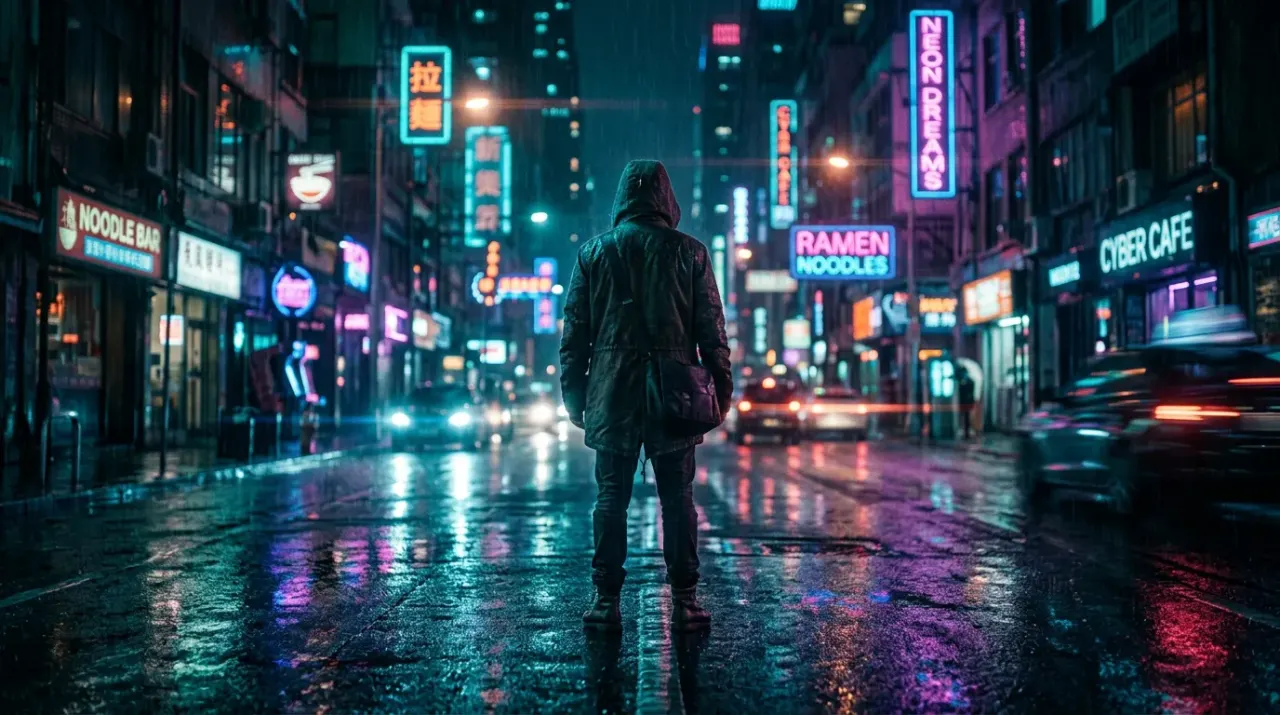
The script-to-storyboard-to-animatic flow
Reference mode slots into the pipeline filmmakers already use. The point is to commit decisions early and cheaply, before a crew, a location or a render farm is on the clock.
1. Script to key frames
Break the scene into shots and generate one strong still per look you need to lock — the hero character, the location plate, a signature prop. You can make these with a frontier image model on Prospolabs or bring in concept art you already have. These become your reference assets.
2. Key frames to storyboard
Feed the locked stills into Seedance 2.0 as @Image1 through @Image9 and write each board panel as a prompt that cites them. "@Image1 the hooded figure, low-angle tracking shot, rain intensifying" produces a moving panel that matches the still you approved. Repeat per shot, swapping camera and action while the references hold.
3. Storyboard to animatic
Each Seedance clip runs 4–15 seconds at up to 1080p with native audio baked in, so you can cite an @Audio1 reference for ambient tone and cut the clips together into a timed animatic that already carries sound. Because the character and grade stay consistent, the assembled sequence reads as one continuous piece rather than a collage.
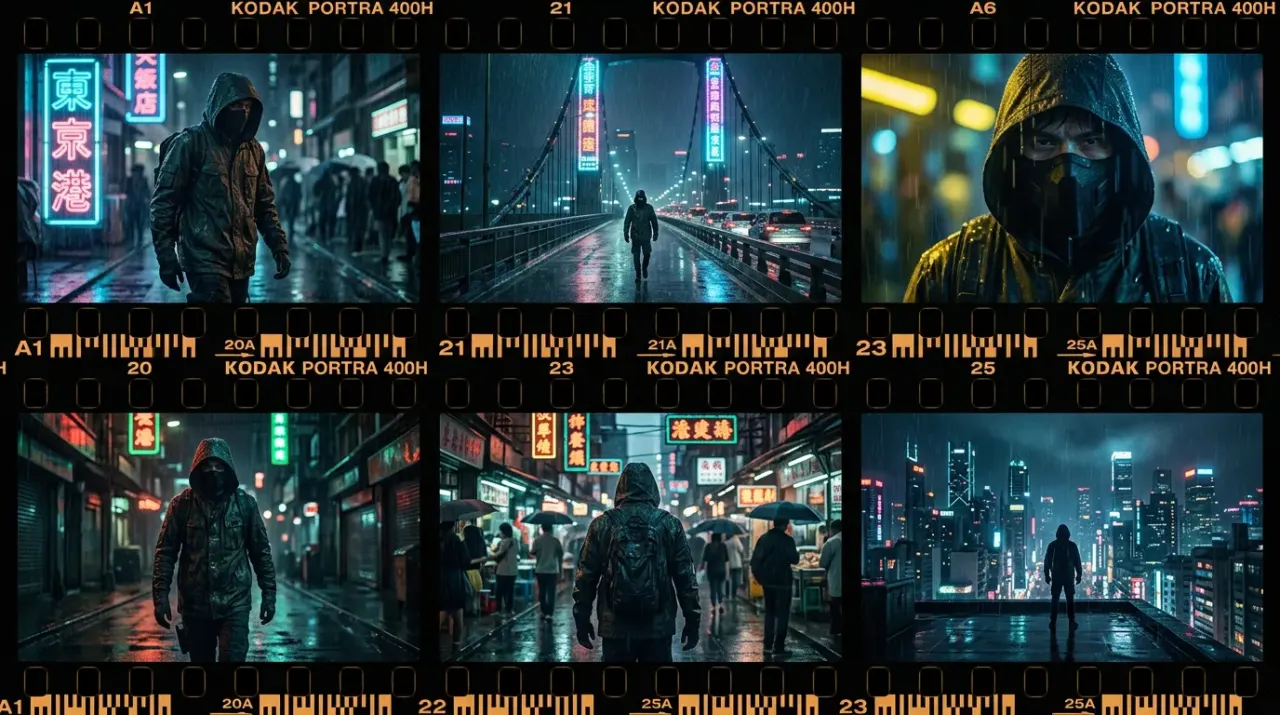
Step by step on Prospolabs
Here is the full reference-to-video loop, from references to a finished pre-viz clip.
- Gather your references — up to 9 images (character, location, props), up to 3 videos (a motion or camera-move reference) and up to 3 audio clips (room tone, dialogue scratch).
- Open Seedance 2.0 reference mode, upload the references, and confirm they are tagged @Image1…@Image9, @Video1…@Video3 and @Audio1…@Audio3.
- Write the shot prompt citing the references by name — describe the camera, the action and the beat, e.g. "@Image1 walking toward camera, slow dolly-in, @Audio1 ambient rain."
- Set duration (4–15s), resolution and start the generation. Via API it is POST /v1/generate with model id "seedance-2" (or "seedance-2-fast"); the call is async and the output_url stays valid for 7 days.
- Review the clip, adjust the prompt or swap a reference, and re-run. Iterate cheaply on Seedance 2.0 Fast before committing to a 1080p final pass.
- Cut the approved clips into your animatic. The same per-second price applies whether you generate in the UI or the API, and failed runs are auto-refunded.
What pre-viz actually costs
Prospolabs bills per second of generated video in plain USD — audio included, no token math. These are the live rates (retail in parentheses is roughly 40% higher):
- Seedance 2.0 — 480p $0.09/s ($0.15), 720p $0.18/s ($0.30), 1080p $0.41/s ($0.683).
- Seedance 2.0 Fast — 480p $0.07/s ($0.117), 720p $0.15/s ($0.25).
In practice: a 5-second 720p reference shot on Seedance 2.0 runs $0.90; a 480p draft on Seedance 2.0 Fast is $0.35. Storyboard a 12-shot sequence as 480p Fast drafts and you are at roughly $4.20 for the whole board, then upgrade only the shots that survive to 1080p at $0.41 a second. You can top up from $5, so a complete animatic sketch fits inside a single top-up.
Tips for filmmakers
- Lock one clean, well-lit hero reference for the character and reuse it as @Image1 across every shot — a sharp, neutral reference travels better than a stylized one.
- Use a separate reference slot for the location plate and another for key props, so you can recombine them per shot without re-describing the world.
- Cite a @Video1 reference when you need a specific camera move (a dolly, a whip-pan) to repeat consistently across panels.
- Keep the action description short and concrete; let the references carry the look so the prompt only has to direct motion and timing.
- Draft on Fast, finish on standard — and check exact per-shot math on the pricing page or compare model costs before a big sequence.
Reference mode is the closest thing yet to having a continuity supervisor inside the model. Lock your look once, cite it everywhere, and the sequence stays on-model from the first board to the final animatic. The full citation reference lives in the Prospolabs docs, and you can explore the rest of the frontier video lineup if you need a different model for a specific shot.
Frequently asked questions
Up to nine images, three videos and three audio clips per generation. You cite them in the prompt as @Image1 through @Image9, @Video1 through @Video3 and @Audio1 through @Audio3, and Seedance 2.0 treats them as canonical while you change the camera and action.
Yes — that is its purpose. By pointing every shot prompt at the same @Image1 reference, the character, wardrobe and color grade stay steady from angle to angle, which is what lets a set of clips read as one continuous sequence instead of a collage.
Prospolabs bills per second in USD with audio included. Seedance 2.0 is $0.09/s at 480p, $0.18/s at 720p and $0.41/s at 1080p; Seedance 2.0 Fast is $0.07/s at 480p and $0.15/s at 720p. A 5-second 720p shot on Seedance 2.0 is $0.90.
Draft your full board on Seedance 2.0 Fast at 480p ($0.07/s), lock the prompts and references, then re-run only the shots that survive at 1080p on Seedance 2.0. You can top up from $5, and any failed run is auto-refunded.
Each generation runs 4 to 15 seconds at up to 1080p, and Seedance 2.0 has native always-on audio. You can also cite an @Audio1 reference for ambient tone, so your animatic clips carry sound without a separate pass.
Yes. POST to /v1/generate with model id "seedance-2" or "seedance-2-fast". The call is async, the resulting output_url stays valid for 7 days, and the per-second price is identical whether you generate in the UI or via the API.
related on Prospolabs